

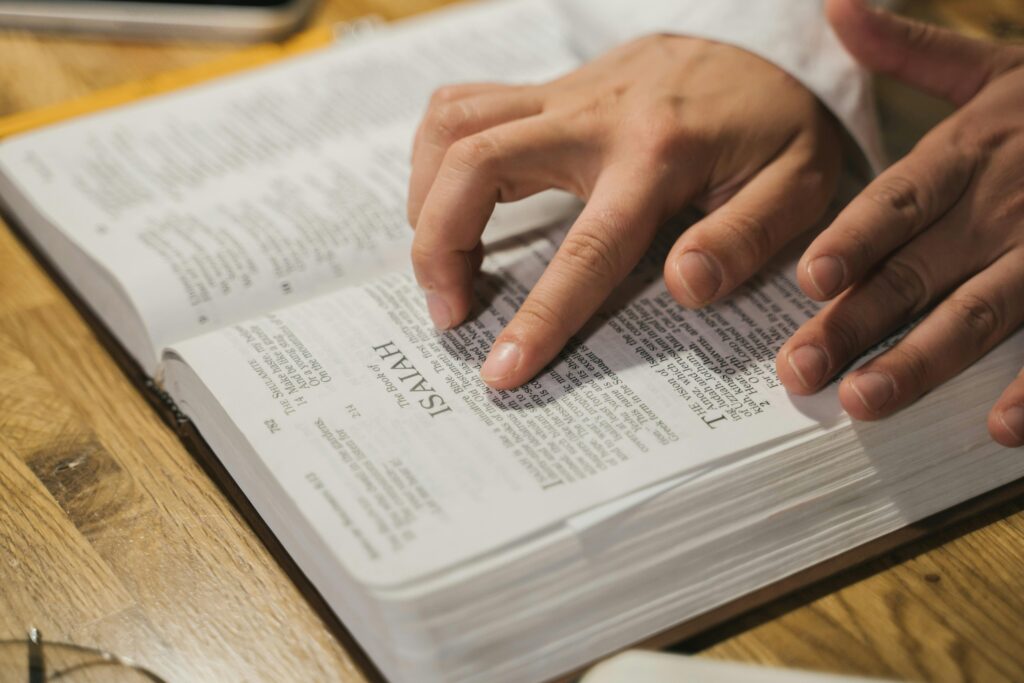
A Simple Guide for Beginners
Many people want to read the Bible but feel unsure where to start. The Bible is a large book written over many centuries, and for someone new to it, opening the pages can feel overwhelming.
Yet the Bible was never meant to be confusing. It was given so ordinary people could know God, understand His will, and grow in faith.
If you are wondering how to begin reading the Bible, the good news is that you do not need special training. What you need most is a willing heart and a simple approach.
This guide will help you understand how to read the Bible in a practical and meaningful way so that it becomes part of your daily life.
Why Reading the Bible Is Important
Before learning how to read the Bible, it is important to understand why it matters.
The Bible is more than a historical book or a collection of religious teachings. Christians believe it is God’s Word, given to guide people into truth and life.
Through Scripture we learn:
- Who God is
- Why the world is broken
- How forgiveness and salvation are found in Jesus Christ
- How believers should live
The Bible also brings encouragement during difficult seasons. Many people turn to Scripture for wisdom, comfort, and direction.
If you are exploring the Christian faith, reading the Bible is one of the most important steps you can take.
(You may also find it helpful to read our guide on The Holy Bible, which explains what the Bible is and why Christians trust it.)
Start With the Right Expectation
When beginning to read the Bible, it helps to approach it with the right mindset.
Many people expect to understand everything immediately. But the Bible is a lifelong journey of learning. Even experienced believers continue discovering new insights each time they read.
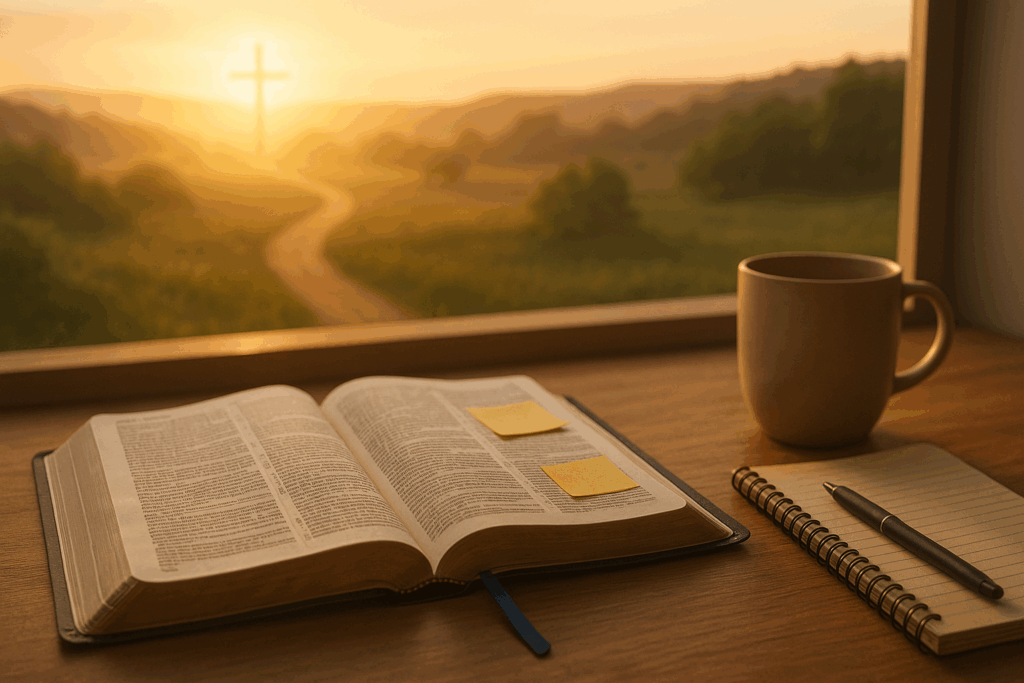
Instead of trying to master the whole Bible at once, focus on reading slowly and understanding one passage at a time.
The goal is not speed but understanding.
Begin With the Right Books
The Bible contains 66 books divided into two main sections:
- The Old Testament
- The New Testament
For beginners, it is often best to start in the New Testament, which focuses on the life and teachings of Jesus Christ.
Good places to start include:
- The Gospel of John
- The Gospel of Mark
- The Book of Luke
These books tell the story of Jesus and help readers understand the foundation of the Christian faith.
Once you become familiar with these, you can explore other parts of Scripture.
If you would like a structured approach, you can follow one of the Bible Study Plans available on this website.
My Story
When I turned to Christ many years ago, I wanted to know everything about Jesus. I was eager to learn. I was even excited when I got a Bible. But when I opened it to read, it overwhelmed me.
Such a big thick book, with small print, and no pictures. And that was just the beginning. Each time, I sat down to read God’s Word, I would feel bored, sleepy, and distracted.
The enemy perhaps was discouraging me from advancing in my faith. It took a lot of will power and discipline for me to continue reading the Bible. And then there were books like Numbers and Leviticus which fueled my disinterest further. These were books that I had to push through. There were certain portions of the Bible that interested me, but then there were many other portions of the Bible where I felt extra-bored. But I had made up my mind to read the Bible cover to cover within a year and I finally did it. Yay! celebration time, you’d think. But NO!!
I was determined to go through the Bible within a year and I did. But I now know, it is not half as important for you to go through the Bible as it is for the Bible to go through you. It is far better to read Gods Word slowly, taking as much time as needed and allow God’s Word to cut through your heart and transform you. And if that takes 5 years, so be it. I’ve seen far too many self proclaimed Christians who know a lot but have no evidence to show a transformed “born again” life.
Read the Bible Slowly
Many people treat Bible reading like a task to finish quickly. But the Bible is best understood when read slowly and thoughtfully.
Instead of reading many chapters quickly, try reading a smaller section and reflecting on it.
You might ask questions such as:
- What is happening in this passage?
- What does this teach me about God?
- How does this apply to my life?
Taking time to reflect helps the message of Scripture become clearer.
Pray Before You Read
Christians believe that understanding the Bible is not only an intellectual exercise but also a spiritual one.
Before reading, many people take a moment to pray and ask God for understanding.
A simple prayer might be:
“God, help me understand what I am reading and guide me in your truth.”
Prayer prepares the heart and helps readers approach Scripture with humility.
You may also want to learn more about Prayer Time, which explains how prayer and Bible reading work together.
Use Simple Bible Study Tools
Helpful tools can make Bible reading easier and clearer.
Some useful tools include:
- A study Bible
- Bible reading plans
- Bible apps
- Commentaries that explain passages
These resources provide background information and help explain difficult verses.
You can also explore some recommended Bible Study Tools that many readers use to deepen their understanding of Scripture.
Apply What You Read
Reading the Bible is not only about gaining knowledge. The real purpose is transformation.
Jesus taught that people should not only hear God’s Word but also live according to it.
After reading a passage, consider asking:
- What is God teaching me?
- Is there something I should change in my life?
- Is there a promise I can trust?
Applying what you read allows Scripture to shape your character and decisions.
Be Consistent
One of the most important habits when reading the Bible is consistency.
You do not need to read for hours each day. Even 10–15 minutes daily can make a meaningful difference over time.
Many people choose a quiet time each morning or evening to read and reflect.
Regular reading helps Scripture become familiar and allows its message to shape your thinking.
Quick-Start (today in 15 minutes)
- Pray (1 min): “Lord, open my eyes. Speak to me. I really want to know you.”
- Read (10 min): John 1 (or the next chapter in your reading plan).
- Respond (4 min): Write one sentence: What will I do? Then pray it back to God.
That’s it. Tomorrow, pick up the next chapter.
Do Not Be Discouraged by Difficult Passages
Some parts of the Bible are easier to understand than others. Historical passages, prophecies, or symbolic language may feel confusing at first.
When you encounter difficult sections:
- Read the passage again
- Look at surrounding verses for context
- Use study tools or commentaries
Over time, understanding grows naturally as you continue reading.
The Bible Points to Jesus
One of the most important things to remember when reading the Bible is that the entire story points toward Jesus Christ.
From the earliest pages of the Old Testament to the final book of Revelation, Scripture reveals God’s plan to restore humanity through Jesus.
Understanding this central message helps bring unity to the entire Bible.
If you are exploring the Christian faith, you may also want to read Is Jesus Real?, which examines the historical and spiritual significance of Jesus.
Where to Start (choose one path)
- New to the Bible: Read the Gospel of John, then Acts, then Philippians and James.
- Returning after a break: Do Luke → Acts → Romans.
- Looking for a 90-day plan: Read the New Testament in 90 days (4 chapters/day). But take your time. It is more important for the New Testament to go through you than for you to go through the New Testament.
- Whole Bible in a year: 3–4 chapters/day (mix OT/NT + Psalms/Proverbs). As I said before, if it takes 5 years, so be it. Don’t make it your goal to finish the Bible in a year. Make it your goal to understand what you read.
Pro move: Pair narrative with wisdom. Example: Genesis + Matthew + Psalms. This is what I did. I read one chapter from the Old Testament, One Psalm (and then moved on to Proverbs), and one chapter from the New Testament everyday.
Make It Stick (habits that last)
- Same chair or same place, same time. I am not being superstitious here. It’s just that your brain loves cues and helps with consistency.
- Paper & pencil nearby. Write one sentence you’ll obey today. Or highlight the verse in your Bible. So that when you visit that verse again later, it reminds you of your thoughts when you first read it.
- Phone on Do Not Disturb. This is important. Keep your phone away. You can’t imagine the good it does on the long run.
- Read with a buddy. Share your one action by text each day with a friend you trust. If you are using a Bible Reading plan on an App such as YouVersion, then you can add a friend and do the plan together.
- Sundays are for catch-up & review. Re-read your notes; thank God for progress.
Common Roadblocks (and simple fixes)
- “I don’t understand everything.” Read what’s clear, obey that, and the fog lifts. Use a simple translation.
- “I get bored.” Read aloud. Change location. Try an Audio Bible while you walk.
- “I forget what I read.” Write one line daily and review weekly. Teaching one friend about what you read locks it in.
- “I miss days.” Don’t quit. Pick up where you stopped. No guilt trips—just continue.
Final Thoughts
Learning how to read the Bible is not about mastering a complex system. It is about developing a relationship with God through His Word.
Start with small steps:
- Begin with the Gospels
- Read slowly and thoughtfully
- Pray for understanding
- Apply what you learn
Over time, the Bible will become clearer and more meaningful.
Many people who begin reading Scripture simply out of curiosity discover that it becomes one of the most important parts of their daily life
A Simple Prayer
Lord, speak to me through Your Word.
Open my eyes, shape my heart, and guide my steps.
Help me read to obey, not just to know.
In Jesus’ name, amen.
For more, check out bible study techniques for beginners.