


Understanding the “Last Things” and Preparing Wisely
The word eschatology may sound unfamiliar, but its meaning is important for anyone seeking to understand the Bible more deeply. Eschatology is the branch of theology that studies the “last things” — including the return of Christ, the final judgment, the resurrection of the dead, and the restoration of all things.
Many people associate eschatology with speculation or dramatic predictions.
However, biblical eschatology is not meant to create fear or confusion. It is meant to give clarity, hope, urgency, and spiritual readiness.
Understanding eschatology helps us live wisely today.
What Does Eschatology Mean?
The word eschatology comes from a Greek term meaning “last” or “final.” In Christian theology, it refers to what the Bible teaches about:
- The second coming of Jesus Christ
- The resurrection of the dead
- Final judgment
- Heaven and eternal life
- The renewal of creation
Eschatology is not only about the future — it shapes how we live in the present.
Why Eschatology Matters
Some view end-times teaching as secondary. Yet throughout Scripture, the promise of Christ’s return is repeated as a motivation for holy living and faithful endurance.
Biblical eschatology reminds us:
- History is moving toward a purpose
- Evil will not prevail forever
- Justice will ultimately be established
- Every life will be accountable before God
- Hope belongs to those who belong to Christ
The message is not meant to create panic — but perspective.
The Central Focus of Eschatology: The Return of Christ
At the heart of Christian eschatology is the promise that Jesus will return. The New Testament consistently teaches that Christ’s first coming brought salvation, and His second coming will bring fulfillment.
To understand who Jesus is and why His return matters, you may want to read our article Is Jesus Real?
Christian eschatology is not about charts and timelines. It is about the person of Jesus Christ.
Judgment and Accountability
The Bible teaches that there will be a final judgment. This truth is not presented to shame or frighten, but to awaken seriousness about how we live.
Every person will give account for:
- Words spoken
- Actions taken
- Attitudes held
- Opportunities received
This reality invites self-examination. It also highlights the need for forgiveness and reconciliation with God.
The Christian message teaches that forgiveness is available through Christ — but it calls for repentance and faith.
If you are exploring what genuine faith means, see our article What Is Faith?
Repentance and Readiness
Eschatology is not simply about future events — it is about present readiness.
To be spiritually ready means:
- Turning away from known sin
- Seeking forgiveness
- Walking in obedience
- Living with integrity
- Practicing humility
Repentance is not merely regret. It is a change of direction — turning away from wickedness and turning toward God.
Jesus frequently called people to be spiritually awake, not spiritually distracted.
Being Born Again: The Beginning of Readiness
The Bible teaches that readiness for eternity begins with spiritual rebirth.
To be “born again” means experiencing a spiritual renewal — a transformation of heart and allegiance. It is not external religion but internal change.
If you would like to understand this more clearly, you may find our article What Is Being Born Again? helpful.
Spiritual preparation begins with relationship, not ritual.
How Eschatology Connects With Christian Seasons
The Christian calendar also reflects eschatological themes.
For example:
- Advent focuses on both Christ’s first coming and the anticipation of His return.
Read more in What Is Advent? - Lent calls believers to repentance, reflection, and renewal — practices that prepare the heart.
Learn more in What Is Lent?
These seasons are not merely traditions; they remind believers to live thoughtfully in light of eternity.
The Role of the Logos
Christian eschatology is rooted in the identity of Christ as the eternal Word — the Logos. Understanding Jesus as the Logos helps us see that the One who created the world is also the One who will bring it to completion.
To explore this concept further, see our article What Is Logos?
The One who began history will also conclude it.
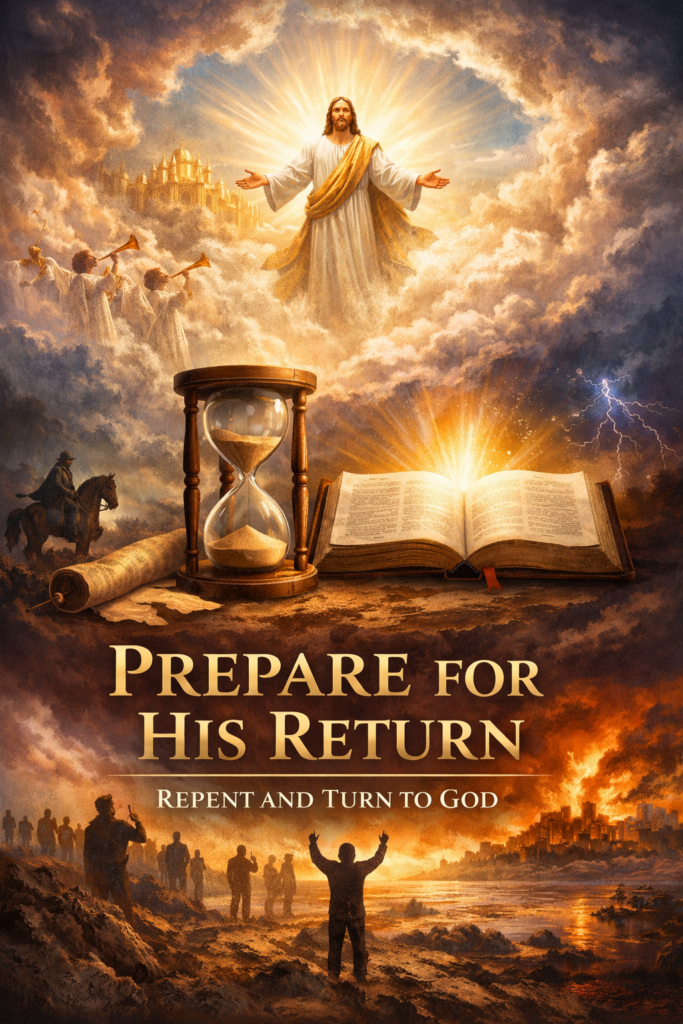
A Practical Analogy: Living With an Expected Return
Imagine a house watchman who knows the owner of the house may return at any time. That awareness shapes how the home is kept — not in fear, but in responsibility.
In the same way, awareness of Christ’s return shapes how believers live. It encourages:
- Integrity when no one is watching
- Compassion toward others
- Faithfulness in daily responsibilities
- Hope during hardship
Eschatology is not about predicting dates — it is about practicing readiness.
Avoiding Extremes
Healthy eschatology avoids two extremes:
- Indifference — ignoring the reality of eternity
- Speculation — obsessing over timelines and predictions
Scripture encourages watchfulness without anxiety.
The goal is not to calculate events but to cultivate character.
Encouragement and Warning Together
The Bible combines hope with warning.
Hope:
- Christ will return.
- Evil will not last forever.
- Suffering will be redeemed.
Warning:
- Sin has consequences.
- Judgment is real.
- Delay is not denial.
Gracious warning is an act of love. It invites preparation rather than regret.
Living Today in Light of Eternity
Eschatology teaches that how we live now matters.
Living in light of eternity means:
- Prioritizing spiritual growth
- Guarding moral integrity
- Seeking reconciliation
- Practicing mercy
- Strengthening faith
It is not about fear. It is about wisdom.
Final Thoughts
Eschatology is the study of last things — but its purpose is to shape present faithfulness. The promise of Christ’s return invites hope. The reality of judgment invites seriousness. The offer of grace invites repentance.
Preparation does not begin tomorrow. It begins today.
If you are exploring these themes for the first time, begin with understanding who Jesus is and what faith truly means. Eternity is not merely a doctrine — it is a reality that calls for thoughtful response.