


What It Really Means & Why It Matters
Repentance is one of the most important themes in the Bible.
From the Old Testament prophets to the message of Jesus and the apostles, repentance is at the center of a person’s relationship with God.
Many people misunderstand repentance. Some think it simply means feeling bad about mistakes we commit or sinful habits. Others think it is about punishment or guilt. But repentance in the Bible means something deeper and life-changing.
It is the turning point where a person leaves sin behind and turns back to God.
In this article we will explore:
- What repentance really means
- The difference between regret and repentance
- Examples of repentance in the Bible
- How a person can repent today
What Repentance Really Means in the Bible
The word repentance in the Bible means a change of heart and direction.
It is not just about emotions. It is about turning away from sin and turning toward God.
In simple terms, repentance has three parts:
- Recognizing sin
- Feeling conviction about it
- Turning away from it and choosing a new direction
Jesus began His ministry with a very clear message.
“Repent, for the kingdom of heaven has come near.” — Matthew 4:17 (NIV)
This message shows that repentance is the first step toward a restored relationship with God.
Imagine driving down a wrong road and realizing you are heading in the wrong direction. Repentance is like making a U-turn and going back to the right path.
The Bible teaches that God welcomes people who turn back to Him. Repentance is not about rejection—it is about restoration.
The Difference Between Regret and Repentance
Many people feel regret for their mistakes. But regret and repentance are not the same.
Regret
Regret is simply feeling sorry about something that happened.
A person may regret being caught, regret the consequences, or regret the pain caused. But regret alone does not change a person’s direction.
For example, someone may regret lying but continue lying again later. Someone may regret getting caught stealing but may continue stealing later.
Repentance
Repentance goes deeper.
Repentance means recognizing sin before God and choosing to turn away from it.
The apostle Paul explained this difference clearly:
“Godly sorrow brings repentance that leads to salvation and leaves no regret, but worldly sorrow brings death.” — 2 Corinthians 7:10 (NIV)
Worldly sorrow is regret. Godly sorrow leads to repentance.
In other words, repentance produces real change. It changes how a person thinks, lives, and makes decisions. Repentance is not only about feeling sorry for sin; it leads us to be doers of the Word and not hearers only.
Powerful examples of Repentance in the Bible
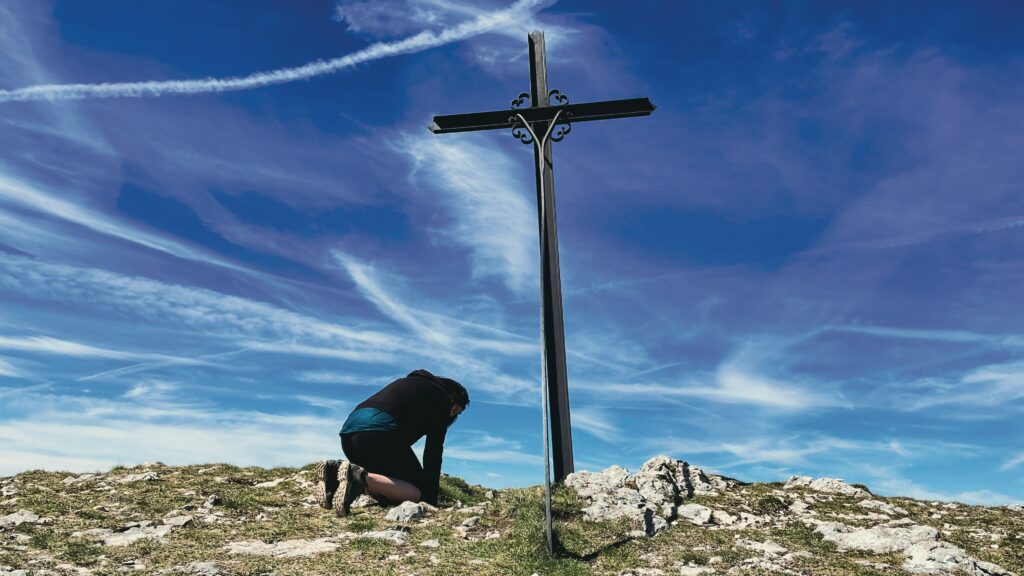
The Bible gives several real examples of people and nations who repented and experienced God’s mercy.
These stories help us understand what repentance looks like in real life.
David’s Repentance After His Sin
One of the clearest examples of repentance in the Bible is King David.
David committed serious sins when he took Bathsheba and arranged for her husband Uriah to be killed (2 Samuel 11).
For a time David tried to hide what he had done. But God sent the prophet Nathan to confront him.
When David realized his sin, he did not defend himself or make excuses. Instead, he humbled himself before God.
Psalm 51 records David’s prayer of repentance.
“Create in me a pure heart, O God, and renew a steadfast spirit within me.” — Psalm 51:10 (NIV)
David acknowledged his sin, asked God for forgiveness, and desired a changed heart.
This is true repentance—honesty before God and a desire to be transformed.
David faced consequences for his actions, but God forgave him and restored him.
The Repentance of the City of Nineveh
Another powerful example is the city of Nineveh.
God sent the prophet Jonah to warn the people that judgment was coming because of their wickedness.
At first Jonah did not want to go, but eventually he delivered the message.
When the people heard God’s warning, something remarkable happened.
The entire city responded with repentance.
The king humbled himself, people fasted, and they turned away from their evil behavior.
The Bible says:
“When God saw what they did and how they turned from their evil ways, he relented and did not bring on them the destruction he had threatened.” — Jonah 3:10 (NIV)
This story shows something very important about repentance.
When people truly turn away from sin, God responds with mercy.
The Repentance of Peter and the
Regret of Judas
A clear example of the difference between repentance and regret can be seen in the lives of Peter and Judas. Both men failed Jesus, but they responded very differently. Peter denied Jesus three times on the night of His arrest. When he realized what he had done, he was deeply broken and wept bitterly (Luke 22:61–62). His sorrow led him back to Jesus, and after the resurrection Jesus restored him and gave him a new mission (John 21:15–17). Judas, on the other hand, felt regret after betraying Jesus. He returned the silver coins and admitted that he had sinned, but instead of turning to God for mercy, he fell into despair and took his own life (Matthew 27:3–5). Peter’s sorrow led to repentance and restoration, while Judas’ regret led only to despair, showing the powerful difference between regret and true repentance.
These stories come from different books of the Bible, each showing how God calls people back to Himself.
How a Person Repents Today
Repentance is not only something that happened in Bible times. It is still the way people return to God today.
The message of repentance continues throughout the New Testament.
Peter preached this message to the crowds after Jesus rose from the dead.
“Repent, then, and turn to God, so that your sins may be wiped out.” — Acts 3:19 (NIV)
So how does someone repent today?
Here are four simple steps.
1. Recognize Sin Honestly
Repentance begins when a person recognizes that something in their life is wrong before God.
The Bible says:
“If we claim to be without sin, we deceive ourselves.” — 1 John 1:8 (NIV)
Honesty before God is the starting point.
2. Confess the Sin to God
Confession means agreeing with God about our sin.
Instead of hiding or justifying it, we bring it openly before Him.
“If we confess our sins, he is faithful and just and will forgive us.” — 1 John 1:9 (NIV)
God does not reject a sincere heart that comes to Him.
3. Turn Away From the Sin
Repentance includes a decision to leave the old way behind.
This may require practical steps—changing habits, avoiding certain influences, or seeking help and accountability.
Turning away from sin is evidence that repentance is genuine.
4. Turn Toward God and Walk in Obedience
Repentance is not only leaving something behind. It is also moving toward God.
This means growing in faith, prayer, and obedience to God’s Word.
As a person continues walking with God, their life begins to change.
Over time, repentance leads to transformation.
Why Repentance Brings Hope
Some people fear the word repentance because they think it means condemnation.
But the Bible shows the opposite.
Repentance is an invitation to return to God’s grace.
God is not looking for perfect people. He is looking for people who are willing to turn back to Him.
Throughout the Bible we see the same truth repeated again and again:
When people repent, God forgives, restores, and gives new life.
Final Thoughts on Repentance in the Bible
Repentance in the Bible is not simply feeling sorry for mistakes. It is a genuine turning of the heart toward God.
We see this clearly in the stories of David, the people of Nineveh, and many others.
Repentance means:
- Recognizing sin
- Turning away from it
- Returning to God
And when someone takes that step, God responds with mercy and grace.
Repentance is not the end of the story. It is the beginning of a new life with God.
If you want to understand more about what the Bible teaches on important topics like repentance, it helps to learn how to read the Bible carefully and consistently. Using helpful Bible study tools can make it easier to discover what Scripture teaches about repentance, forgiveness, and spiritual growth.